- Sunday - Friday - 24 Hour
- Saturday - CLOSED
Liver Transplant in Nepal: Why Patients Don’t Reach Treatment
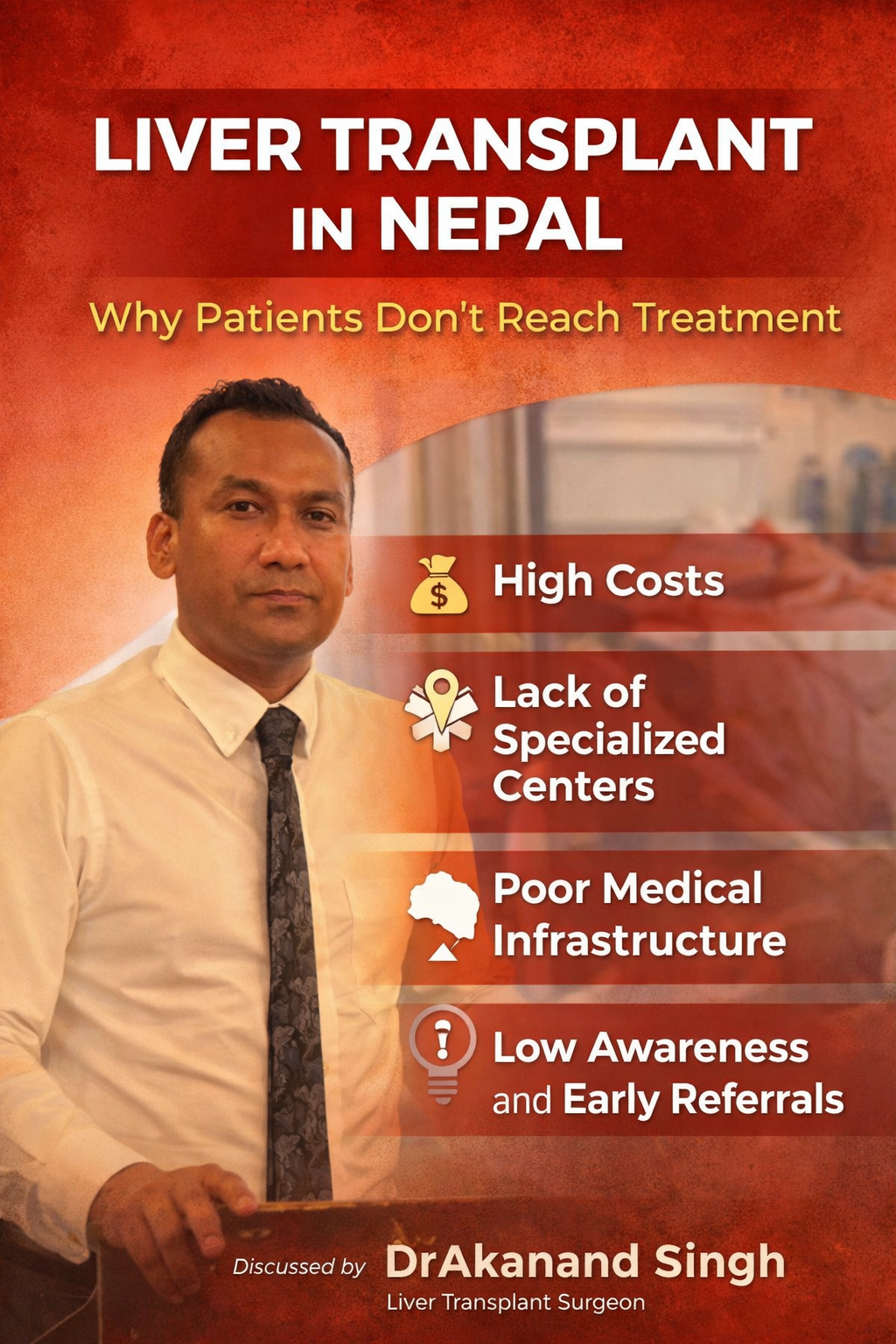
Liver Transplant in Nepal: Why Patients Don’t Reach Treatment
Liver Transplant in Nepal: Why Patients Struggle to Reach Life-Saving Treatment
Insights from International Research by Dr. Akanand Singh

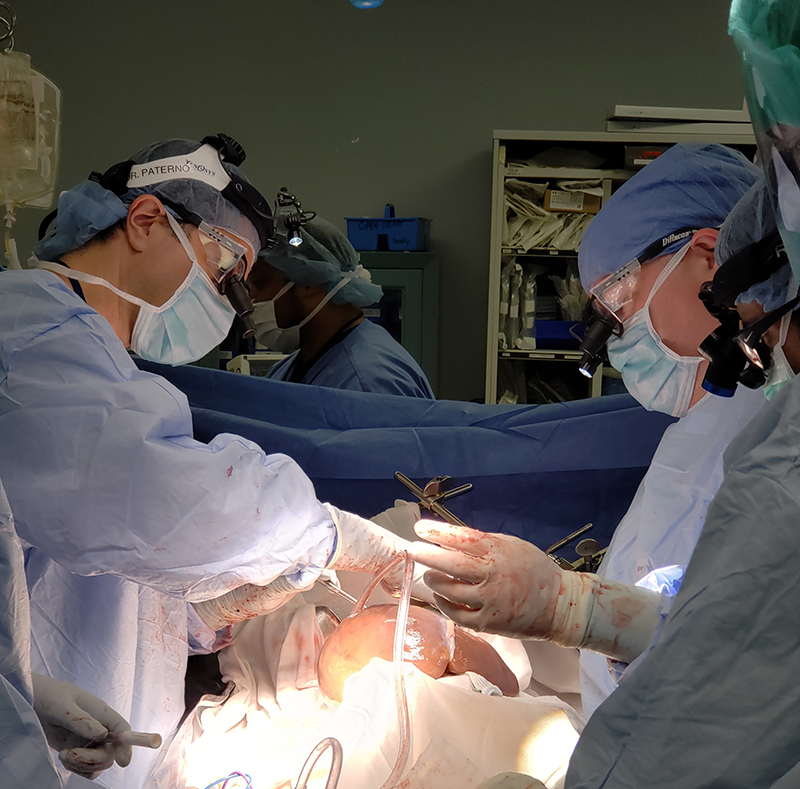

Liver Transplant in Nepal remains a major healthcare challenge despite medical availability. Many patients who need this life-saving procedure fail to reach treatment due to systemic barriers. A recent study by Dr. Akanand Singh highlights why access to liver transplant in Nepal is still limited.
Liver transplantation is one of the most advanced and life-saving procedures in modern medicine. Yet, in countries like Nepal, many patients who desperately need this treatment never reach the transplant stage. This gap between availability and accessibility has been the focus of a significant study conducted at KIST Medical College and presented internationally by Dr. Akanand Singh, a leading hepatobiliary and liver transplant surgeon.
This blog explores the findings of that research, the real-world challenges faced by patients, and what needs to change to improve liver transplant access in Nepal.
🌍Liver Transplant in Nepal Presented at International Conference
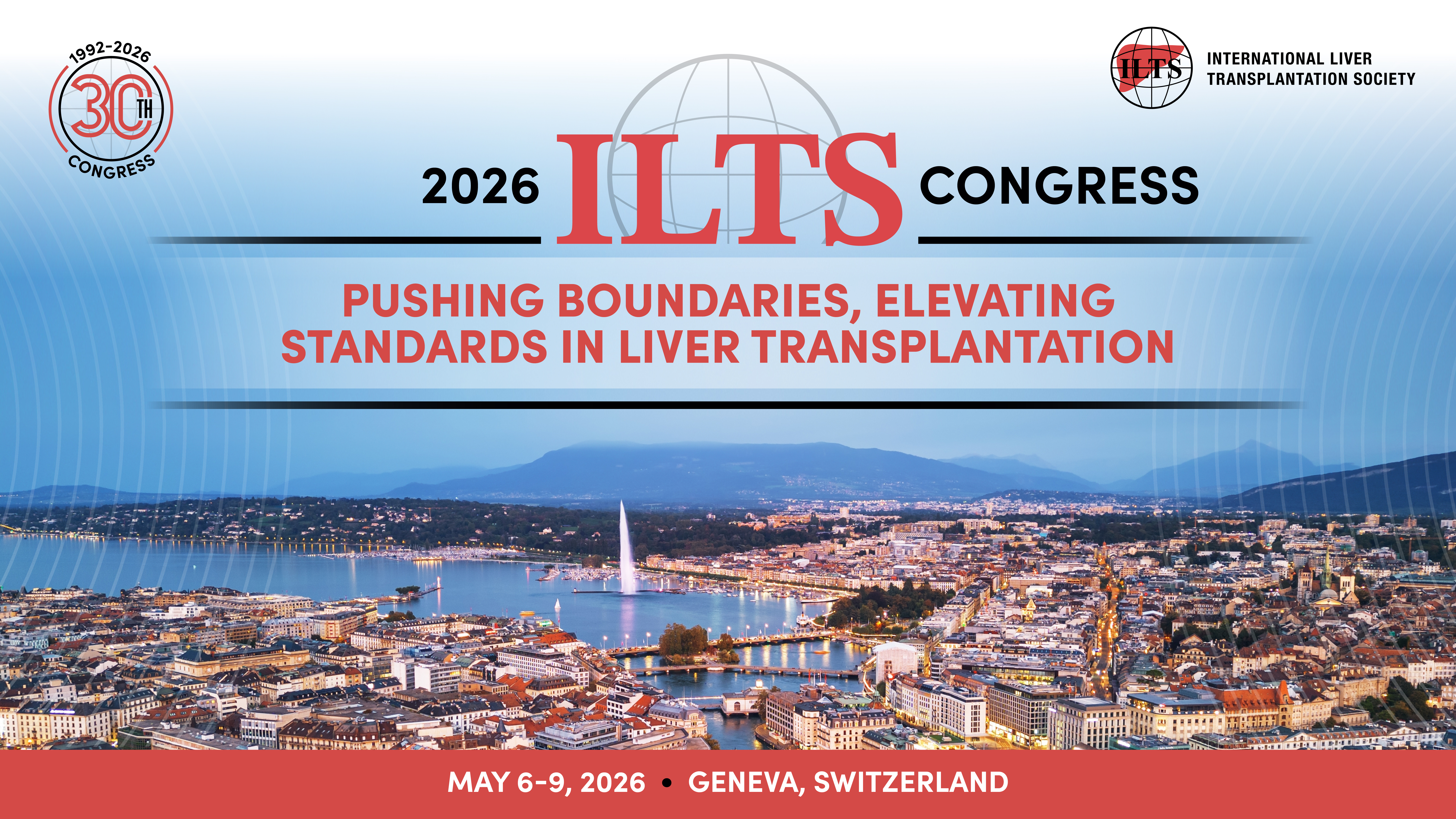
The study titled “Why do patients in Nepal not reach liver transplantation: A comprehensive analysis of barriers” was selected for presentation at the prestigious International Liver Transplantation Society (ILTS) Conference held in Geneva, Switzerland.
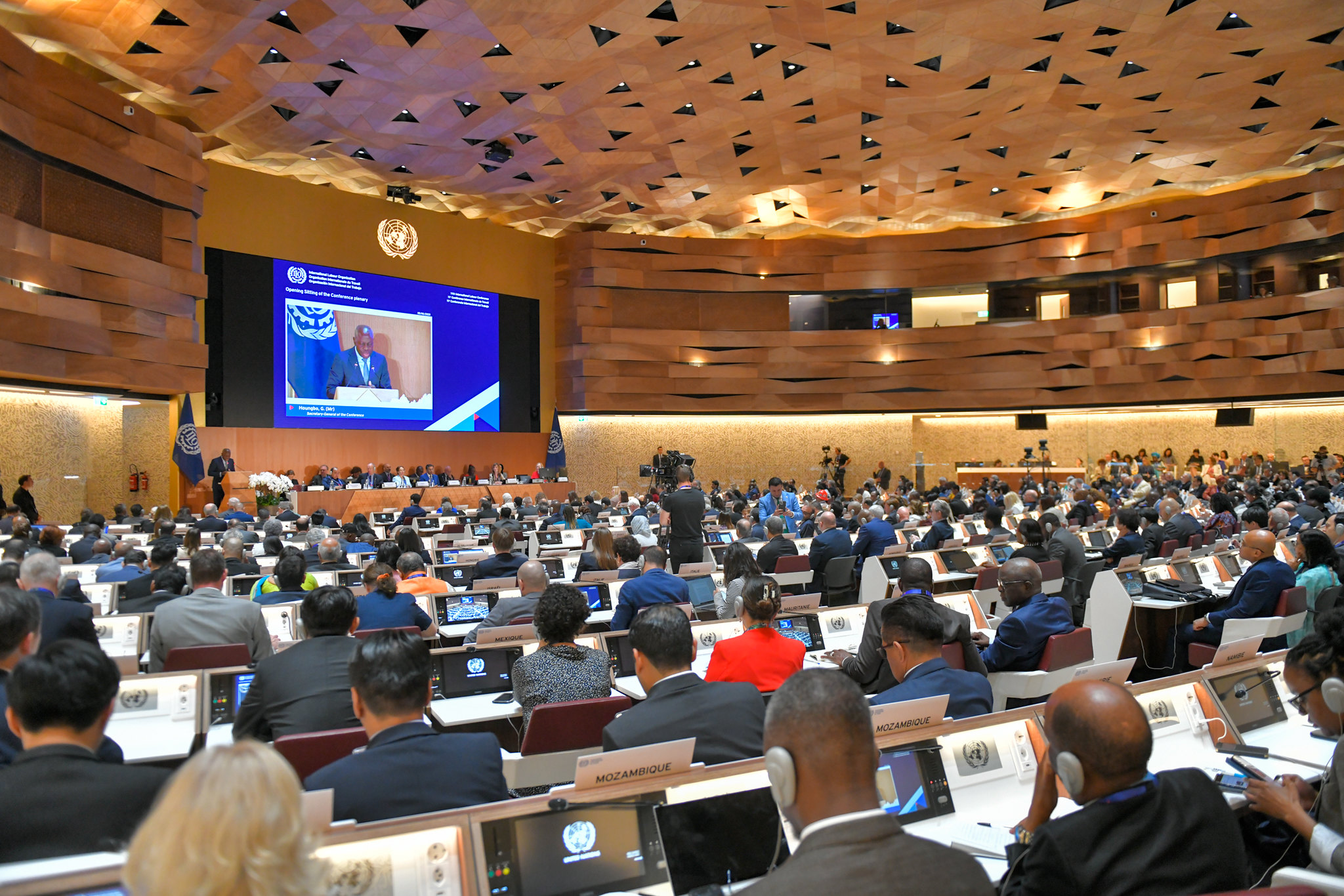
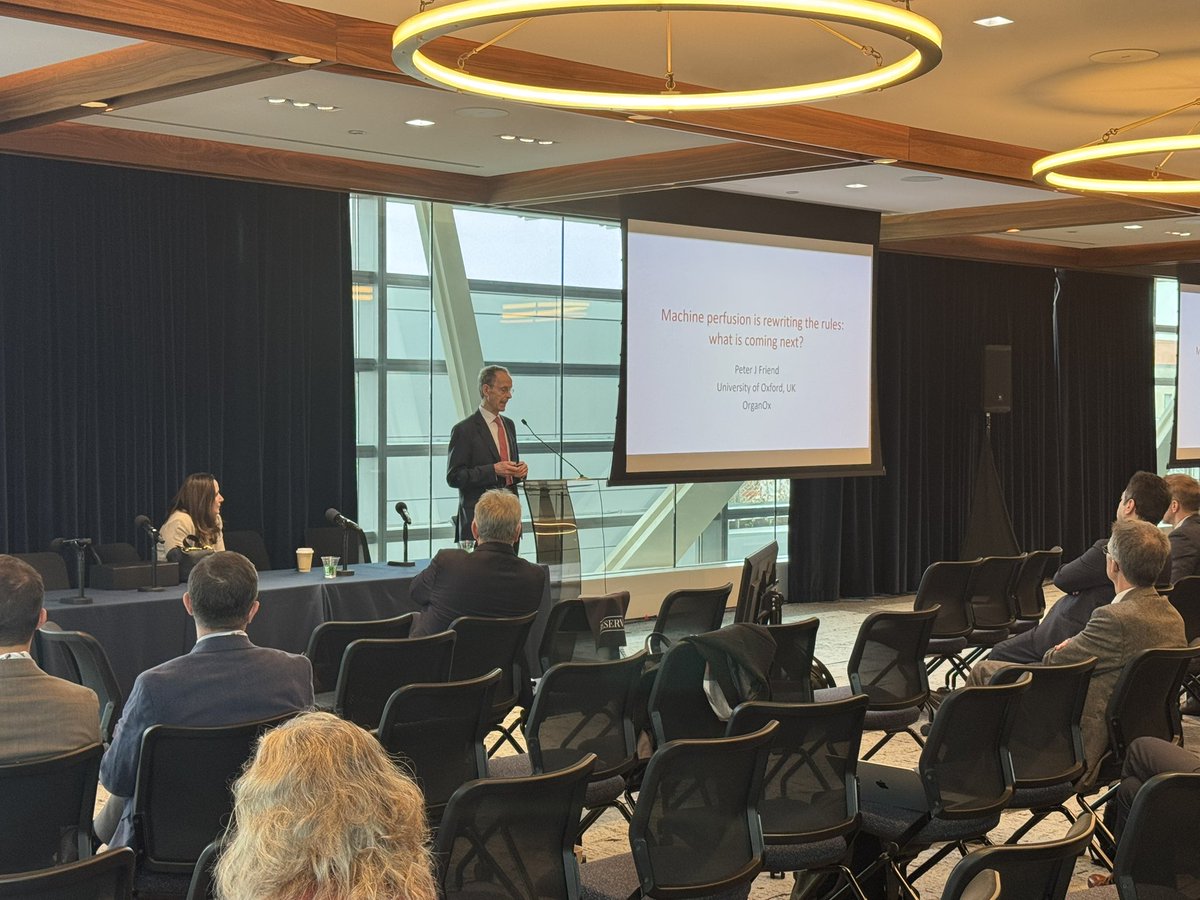

This is a significant milestone for Nepal’s healthcare system, as it highlights not only clinical expertise but also research capabilities on a global stage.
🩺 What is Liver Transplant and Why It Matters
A liver transplant is a surgical procedure where a damaged liver is replaced with a healthy liver from a donor. It is often the only effective treatment for:
- End-stage liver disease
- Liver cirrhosis
- Acute liver failure
- Certain liver cancers
Despite its importance, access to this procedure remains limited in many developing countries.
📊 Key Findings About Liver Transplant in Nepal
The research conducted at KIST Medical College revealed several important insights:
👨⚕️ Patient Demographics
- Average patient age: 52 years
- Around 79% were male
⚠️ Major Barriers to Liver Transplant
- Lack of suitable donors – 55.7%
- Financial constraints – 32.9%
- Limited awareness about transplantation
- Weak referral systems
These numbers clearly show that the issue is not just medical—it is systemic.
🚧 Why Patients Don’t Reach Liver Transplant
1. Lack of Organ Donors
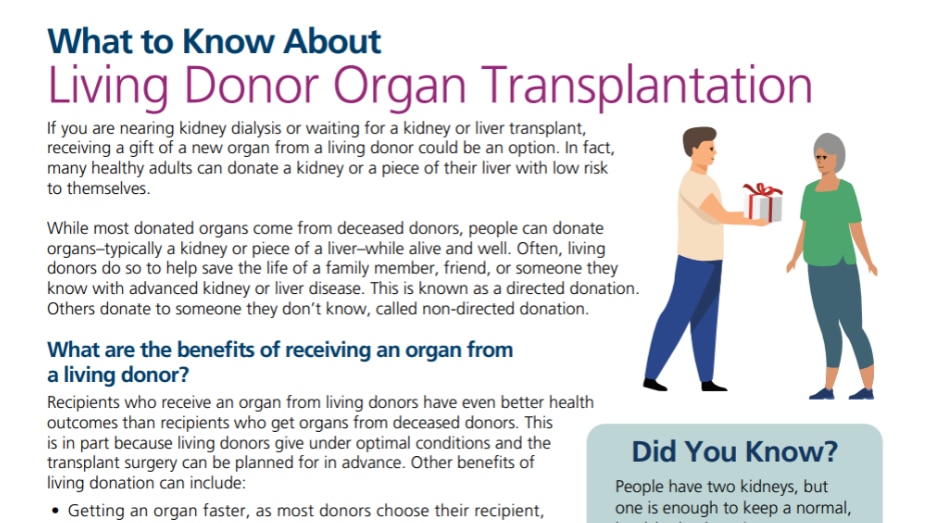


One of the biggest challenges is the shortage of liver donors. In Nepal, organ donation awareness is still limited, and cultural or social barriers often prevent families from consenting to donation.
👉 Without a donor, transplantation is simply not possible.
2. High Cost of Treatment


Liver transplant surgery is expensive. Many patients cannot afford:
- Pre-transplant evaluation
- Surgery costs
- Post-operative care and medications
Even when treatment is available, affordability becomes a major obstacle.
3. Lack of Awareness



Many patients are unaware that liver transplant is an option. They often:
- Seek treatment late
- Rely on alternative or delayed care
- Miss the optimal window for transplant
4. Weak Referral System
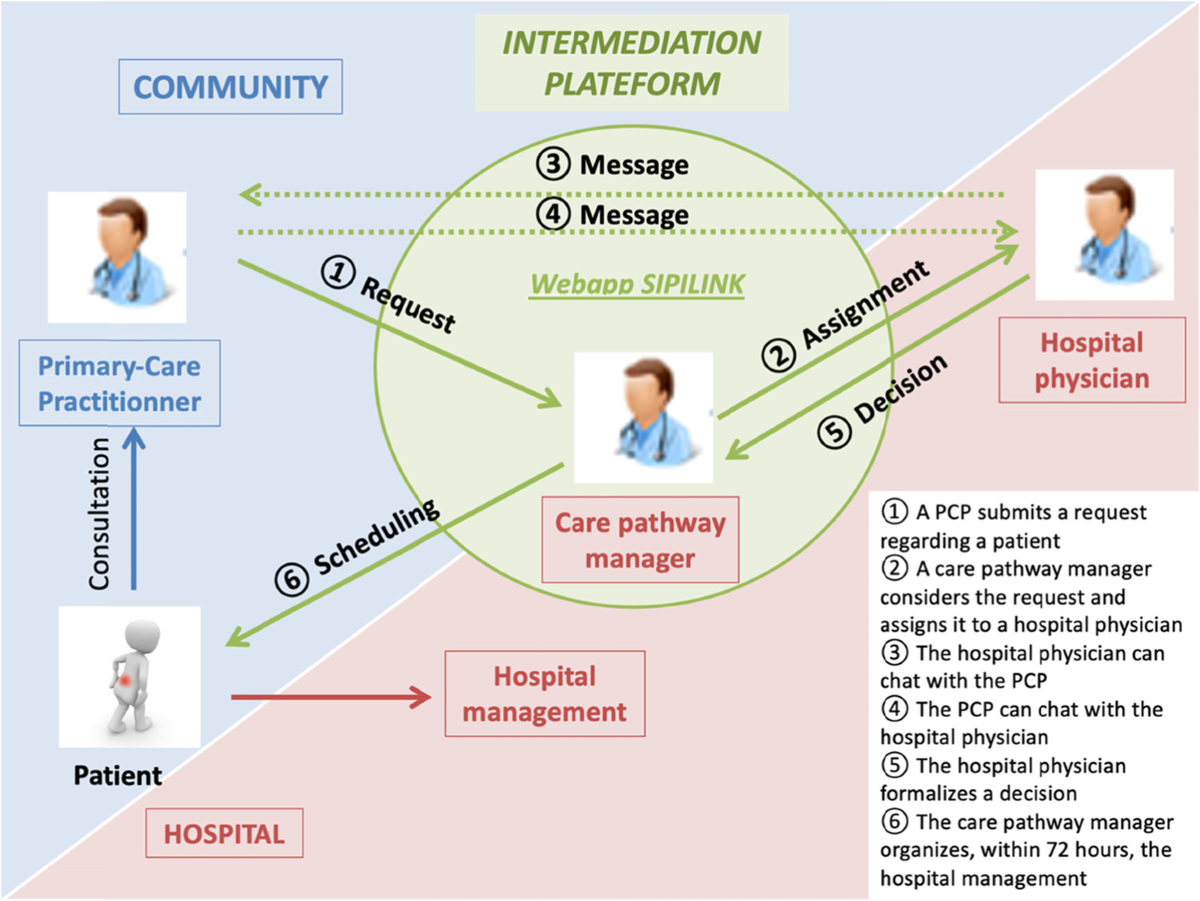
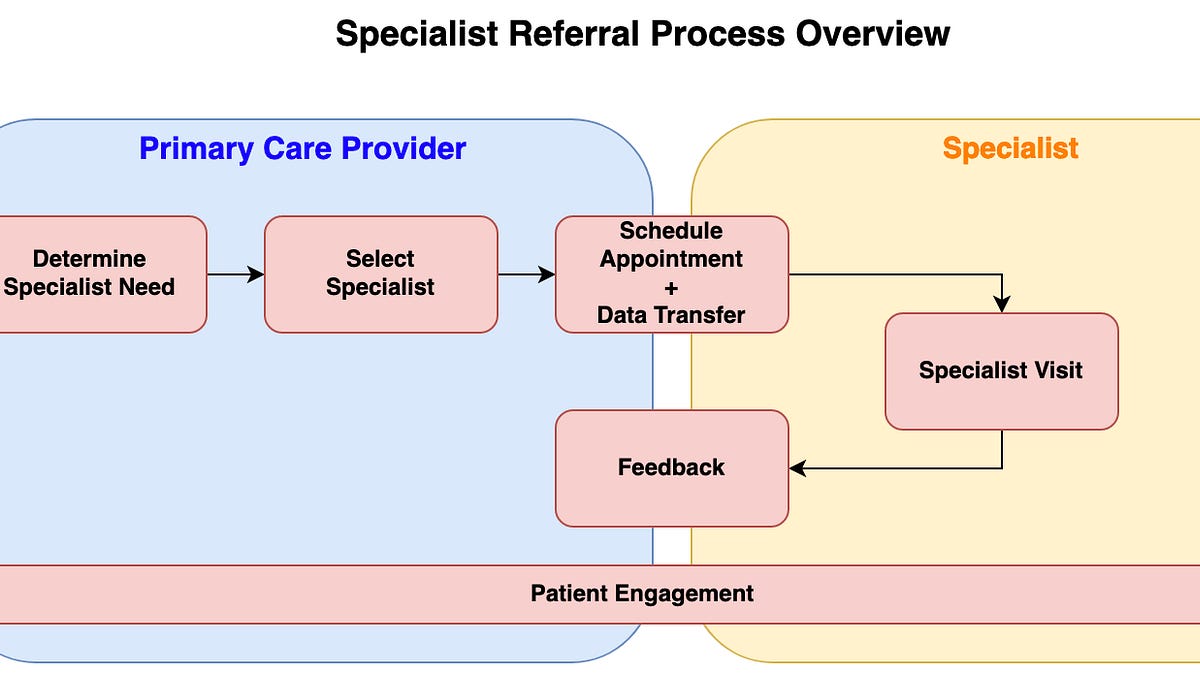


A strong referral system ensures timely treatment. However, in Nepal:
- Patients are not referred early
- Communication between healthcare levels is weak
- Delays reduce survival chances
⚠️ The Hidden Problem: Patients Lost in the System
One of the most concerning findings of the study is that many patients:
- Drop out during evaluation
- Fail to complete required tests
- Die before reaching transplantation
This reflects deeper systemic issues that go beyond individual limitations.
🏥 Role of Advanced Centers like KIST Medical College
KIST Medical College has been actively working to:
- Provide liver transplant evaluation
- Improve patient counseling
- Conduct research to identify barriers
- Build awareness and training programs
Such institutions play a crucial role in bridging the healthcare gap.
🌱 The Way Forward: Solutions & Recommendations
✅ 1. Promote Organ Donation
- National awareness campaigns
- Simplified donor registration
- Public education programs
✅ 2. Financial Support Systems
- Government subsidies
- Insurance coverage expansion
- NGO and international funding
✅ 3. Strengthen Healthcare System
- Better referral networks
- Training for primary healthcare providers
- Digital health records and tracking
✅ 4. Increase Public Awareness
- Community outreach
- Media campaigns
- Early screening programs
👨⚕️ About Dr. Akanand Singh
Dr. Akanand Singh is a renowned liver transplant and hepatobiliary surgeon dedicated to improving liver care in Nepal. His contribution to international research highlights his commitment to both clinical excellence and healthcare advancement.
His work not only saves lives but also addresses the larger systemic issues affecting patient access to treatment.
🔗 Internal Links
- 👉 Learn more about Liver Transplant Procedure
- 👉 Signs you may need a Liver Transplant Evaluation
- 👉 Cost of Liver Transplant in Nepal
- 👉 Book Appointment with Dr. Akanand Singh
🌐 External Links
- International Liver Transplantation Society (ILTS)
- https://www.onlinekhabar.com/2026/03/1895663
- Global Observatory on Donation and Transplantation
- WHO ( World Health Organization )
🧾 Conclusion
Liver transplantation in Nepal has reached a stage where medical capability exists—but accessibility remains a major challenge.
The research presented by Dr. Akanand Singh at an international platform sheds light on a critical issue: patients are not failing—the system is.
Addressing barriers such as donor shortage, financial limitations, and lack of awareness can significantly improve outcomes and save countless lives.
Nepal stands at a turning point. With the right policies, awareness, and healthcare improvements, liver transplantation can become accessible to all who need it.