
- Sunday - Friday - 24 Hour
- Saturday - CLOSED
Life After Liver Transplant in Nepal | Recovery Guide
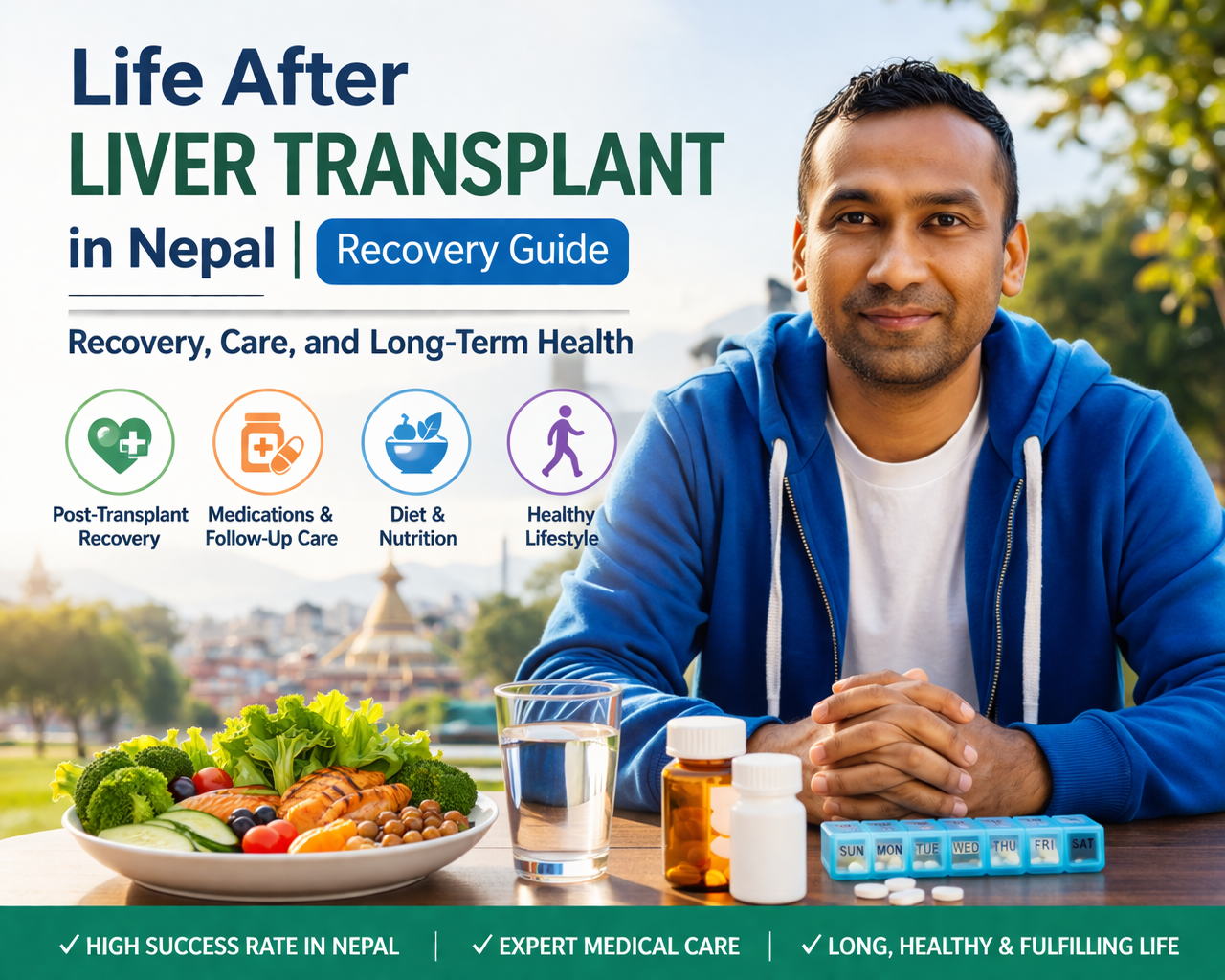
Life After Liver Transplant in Nepal | Recovery Guide
Life After Liver Transplant in Nepal: Recovery, Care, and Long-Term Health
Life after liver transplant in Nepal is a journey of recovery, adjustment, and long-term care. A healthy liver performs more than 500 vital functions, including filtering blood, aiding digestion, and removing toxins from the body. When the liver becomes severely damaged, these essential functions are disrupted, leading to serious health complications. In such cases, a liver transplant becomes the only effective treatment option.
In recent years, the success rate of liver transplantation has significantly improved due to advancements in medical technology, surgical techniques, and post-operative care. Today, patients undergoing a liver transplant in Nepal can expect success rates exceeding 95% in leading medical centers. This has brought new hope to patients suffering from end-stage liver disease, enabling them to live longer, healthier, and more fulfilling lives.
Understanding Life After Liver Transplant in Nepal
Life after a liver transplant is a journey of recovery, adjustment, and long-term care. While the surgery itself is complex, the real transformation begins afterward. Patients often experience a significant improvement in their quality of life, but maintaining this improvement requires commitment to medical advice, lifestyle changes, and regular monitoring.
Many patients treated under experienced specialists such as Dr. Akanand Singh have shown remarkable recovery outcomes when proper post-transplant guidelines are followed consistently.
Recovery After Liver Transplant in Nepal

Immediate Post-Surgery Phase
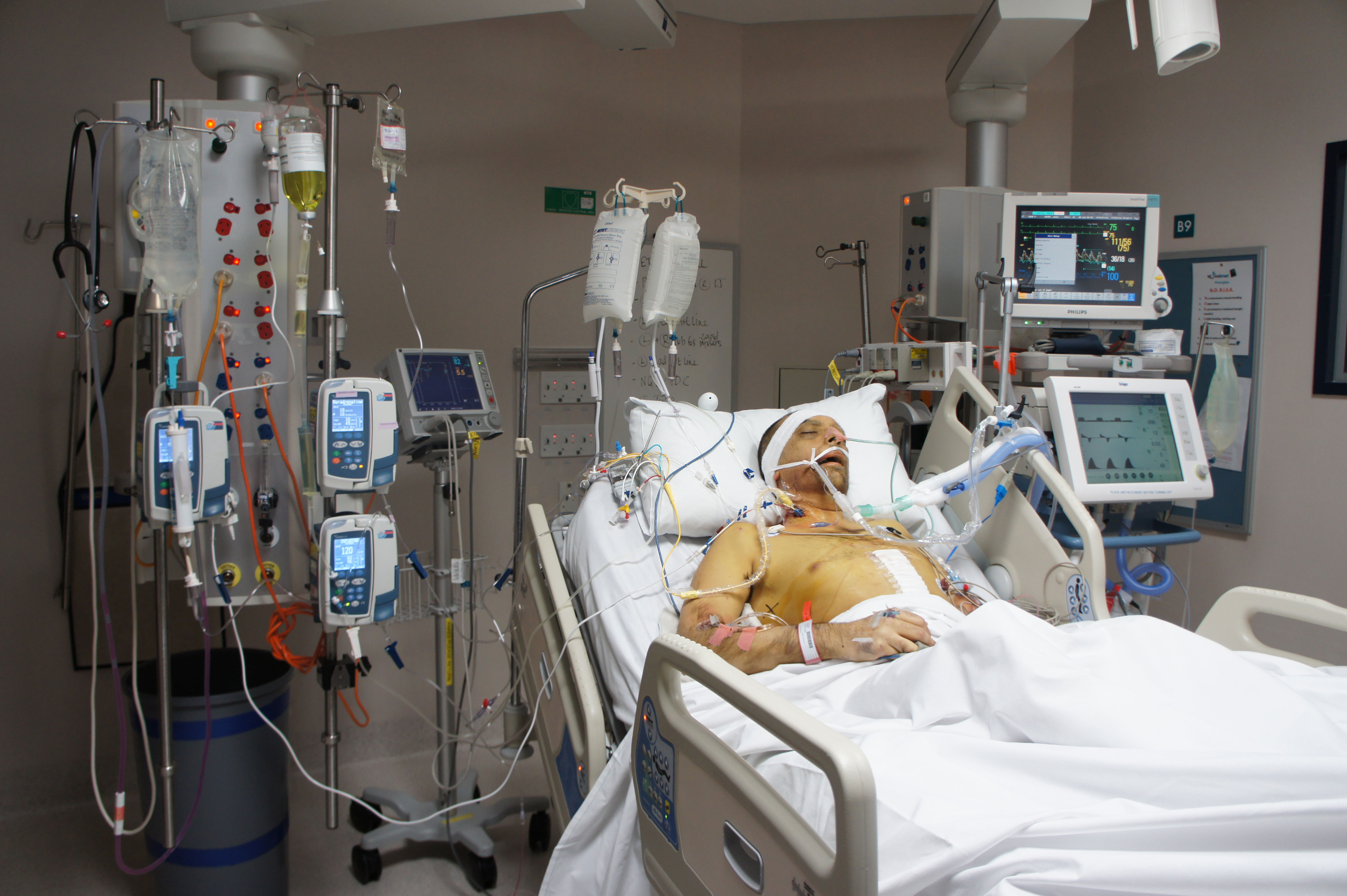
After surgery, patients are closely monitored in the Intensive Care Unit (ICU) for 3 to 5 days. During this time, doctors track vital signs, liver function, and any signs of complications such as infection or organ rejection.
Hospital Stay
Most patients are discharged within 2 to 3 weeks after surgery. During this period, patients begin light movement, start oral medications, and gradually regain strength.
At-Home Recovery
The next phase of recovery continues at home. Patients typically take 3 to 6 months to resume normal daily activities. However, complete recovery may take up to a year depending on individual progress.
For more detailed guidance on recovery stages, you can explore our internal resource on post-transplant care guidelines .
Medication and Follow-Up Care After Liver Transplant in Nepal
One of the most critical aspects of life after a liver transplant is strict adherence to prescribed medications. These medications, known as immunosuppressants, help prevent the body from rejecting the new liver.
According to global health authorities like World Health Organization, transplant patients must follow lifelong medication routines to ensure organ survival and prevent complications.
Regular follow-up visits are equally important. These visits help doctors monitor liver function, adjust medication dosages, and detect potential issues early.
Risks After Liver Transplant in Nepal


While liver transplant surgery has a high success rate, it is not without risks. Some of the potential complications include:
1. Organ Rejection
The immune system may recognize the new liver as a foreign organ and attempt to attack it. This is why immunosuppressive medications are essential.
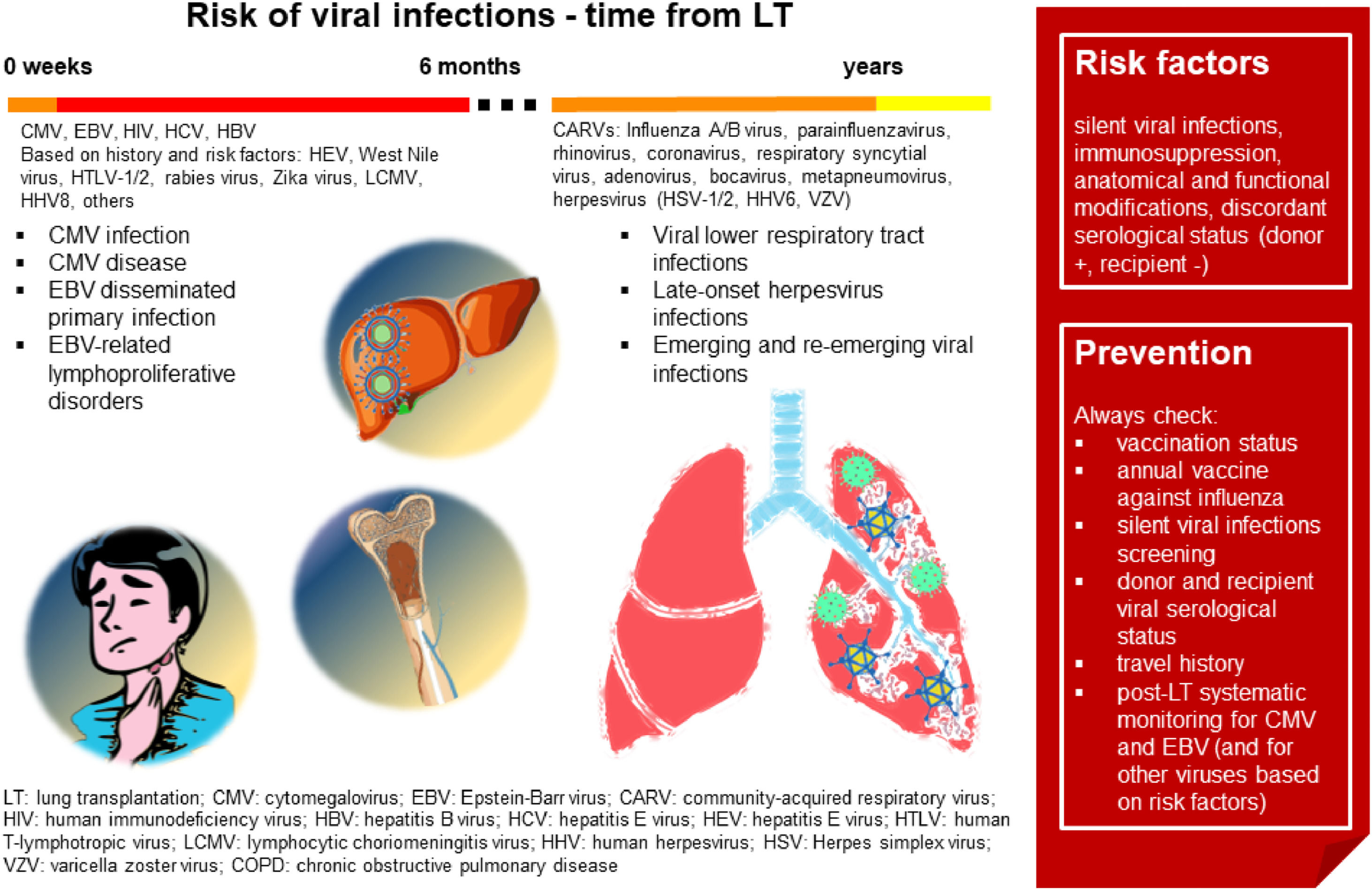
2. Infections
Since immunosuppressants weaken the immune system, patients become more vulnerable to infections. Even minor infections should be taken seriously.
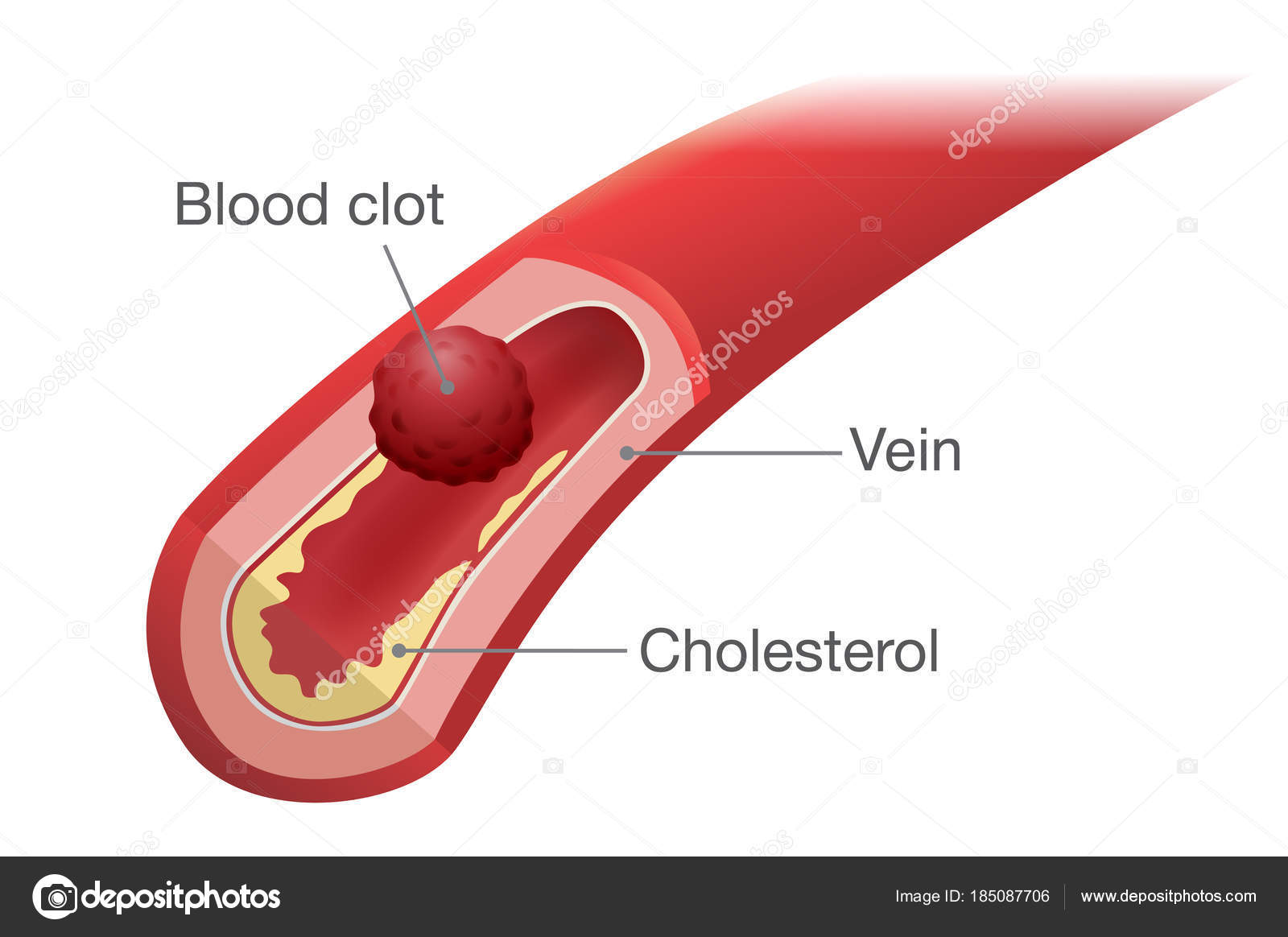
3. Bleeding and Blood Clots
These complications may arise during or after surgery and require immediate medical attention.
4. Recurrence of Liver Disease
In some cases, the original liver disease may return even after transplantation.
Understanding these risks helps patients stay alert and take preventive measures.
Diet and Nutrition for Life After Liver Transplant


A balanced and nutritious diet plays a vital role in recovery and long-term health after a liver transplant.
Recommended Dietary Practices
- Include fresh fruits and vegetables in your daily meals
- Consume lean proteins such as chicken, fish, and legumes
- Stay well-hydrated by drinking sufficient water
- Maintain a balanced intake of carbohydrates and healthy fats
Foods to Avoid
- Raw or undercooked food (risk of infection)
- Processed and junk food
- Excess salt and sugar
- Alcohol in any form
You can also refer to international dietary recommendations from American Liver Foundation for additional guidance.
Healthy Lifestyle After Liver Transplant in Nepal
Adopting a healthy lifestyle is essential for ensuring the long-term success of your liver transplant.
Physical Activity
Light exercises such as walking are highly recommended. A daily 30–45 minute walk can improve circulation, boost immunity, and enhance overall well-being.
Avoid Harmful Habits
Smoking and alcohol consumption can severely damage the new liver and must be completely avoided.
Mental and Emotional Health
Recovery is not just physical—it is also emotional. Patients may experience stress or anxiety during recovery. Staying connected with family, joining support groups, or seeking counseling can be helpful.
Precautions for Life After Liver Transplant in Nepal
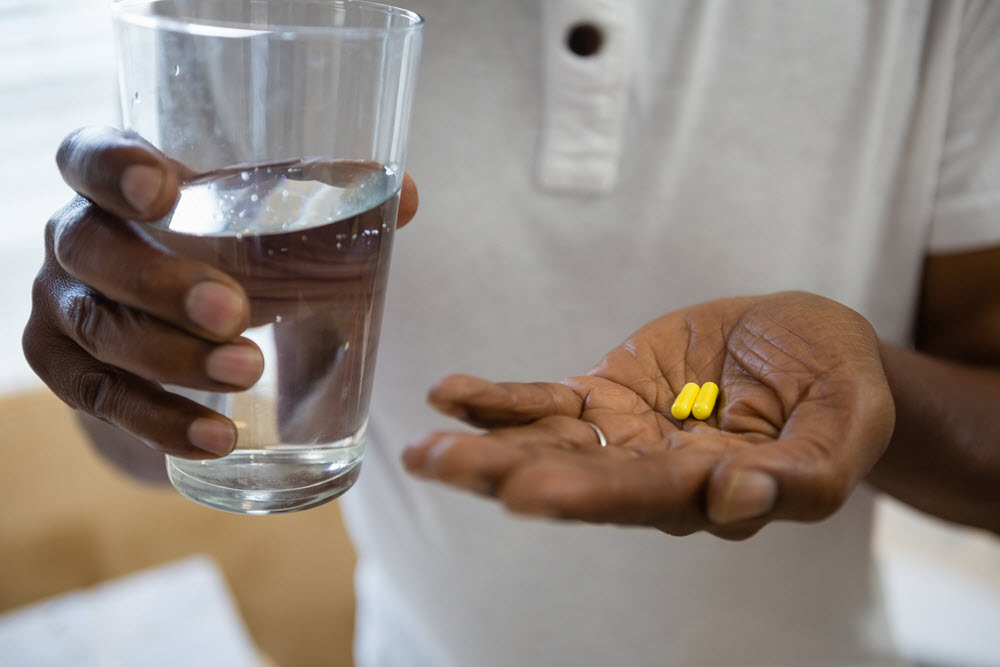

Following proper precautions can significantly reduce the risk of complications:
- Strictly follow your doctor’s follow-up schedule
- Take medications exactly as prescribed
- Maintain personal hygiene and wash hands frequently
- Avoid crowded places, especially in the early recovery phase
- Seek immediate medical help if symptoms like fever appear
- Avoid pregnancy for at least one year post-transplant
- Stay physically active with moderate exercise
Patients who carefully follow these precautions often experience smoother recovery and better long-term outcomes.
Returning to Normal Life After Liver Transplant
One of the most encouraging aspects of liver transplantation is the ability to return to a normal life. After recovery, patients can:
- Resume work and daily activities
- Participate in physical exercise and sports
- Travel and enjoy social life
- Maintain a fulfilling and productive lifestyle
However, discipline remains key. Regular medication, periodic health check-ups, and a healthy lifestyle should never be neglected.
Why Choose Liver Transplant Treatment in Nepal for Better Recovery
Nepal has emerged as a growing destination for advanced medical treatments, including liver transplantation. With skilled specialists, modern infrastructure, and cost-effective treatment options, patients can receive high-quality care without traveling abroad.
Under the guidance of experienced professionals like Dr. Akanand Singh, patients receive personalized care plans tailored to their specific needs, ensuring better recovery outcomes.
If you are considering treatment, you may also explore our page on liver transplant services in Nepal (internal link) to understand available options.
Conclusion
Life after a liver transplant is not just about survival—it is about embracing a healthier and more disciplined lifestyle. With proper care, adherence to medical advice, and positive lifestyle changes, patients can lead long, active, and fulfilling lives.
A successful liver transplant in Nepal offers a second chance at life. By following the right recovery practices, maintaining a balanced diet, and staying consistent with medical care, you can ensure the long-term success of your transplant journey.