
- Sunday - Friday - 24 Hour
- Saturday - CLOSED
Normal Life After Liver Transplant: Recovery & Lifestyle
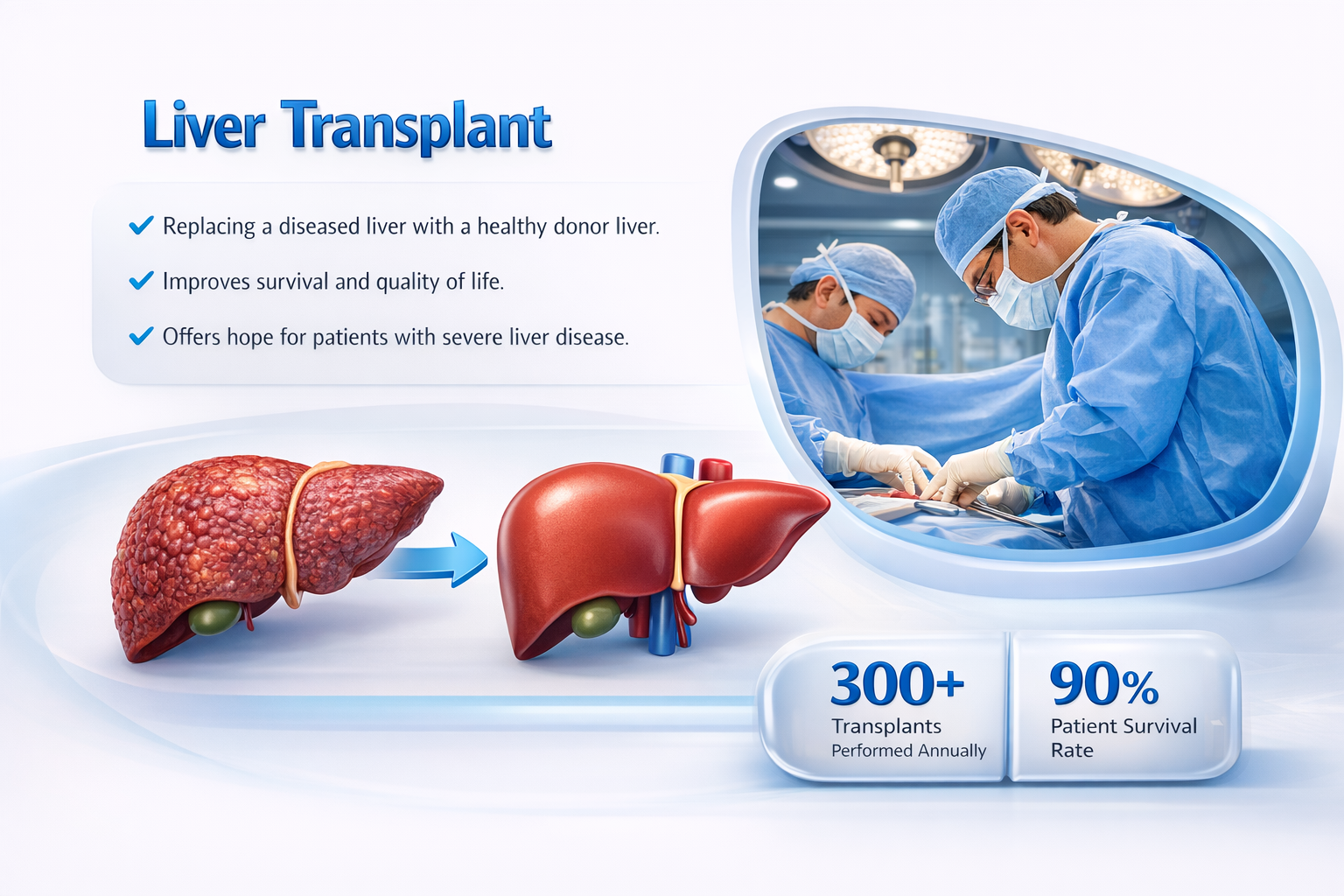
Normal Life After Liver Transplant: Recovery & Lifestyle
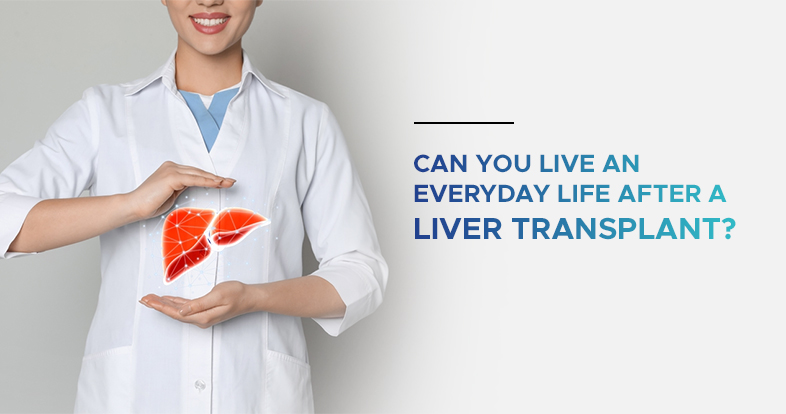
Getting a liver transplant surgery can be a life-saving miracle, offering a second chance at life to individuals suffering from severe liver diseases. If you or your loved one have recently undergone a liver transplant, you might be wondering, “Can I lead a normal life after this procedure?” The answer is a big yes! In this blog post, we will explore what life after a liver transplant looks like, the adjustments you may need to make, and how you can continue to live a fulfilling everyday life.
1.Recovery After Liver Transplant: What to Expect
Your body requires time to repair and adjust to the new organ after a liver transplant. This initial phase of recovery, which usually takes a few weeks to several months, is critical to paying close attention to the instructions given by your medical team. It’s possible that you’ll need to take medication, go to checkups on a regular basis, and stick to a diet. Rest assured that most transplant recipients can gradually resume their daily activities with proper care.
If you are planning treatment, explore our liver transplant services in Nepal to understand the complete procedure and care options.
The recovery period after a liver transplant can take several weeks to months, depending on individual health and care. Following proper medical guidance is essential for long-term success. For more detailed recovery guidelines, you can refer to Mayo Clinic.
2. Medication Management: The Key to Long-Term Success
One of the essential aspects of life after a liver transplant is managing your medications. These medications are vital to prevent your body from rejecting the new liver. It’s necessary to take them exactly as prescribed by your healthcare provider. Regular medication, combined with healthy lifestyle choices, can significantly enhance the quality of your life post-transplant.
Taking immunosuppressant medications regularly is crucial to prevent organ rejection. These medicines must be taken exactly as prescribed. You can learn more about medication safety from American Liver Foundation.
3. Diet and Nutrition for a Healthy Life After Liver Transplant
Maintaining a balanced and nutritious diet is crucial for your overall well-being after a liver transplant.
A healthy diet not only supports recovery but also helps your body adapt to the new liver and reduces the risk of complications.
After a liver transplant, your body needs the right nutrients to heal, rebuild strength, and maintain long-term health. Focus on a diet rich in fresh fruits, vegetables, whole grains, and lean proteins such as fish, chicken, beans, and legumes. These foods provide essential vitamins, minerals, and antioxidants that promote healing and improve immunity.
Eat a Balanced and Nutrient-Rich Diet
Include a variety of food groups in your daily meals. Whole grains like brown rice and oats provide energy, while fruits and vegetables help your body fight infections. Protein is especially important as it helps repair tissues and maintain muscle strength.
Limit Salt, Sugar, and Unhealthy Fats
After transplant surgery, excessive salt can lead to high blood pressure and fluid retention. Similarly, sugary foods and processed snacks can increase the risk of weight gain and diabetes. Try to avoid fried foods, fast food, and packaged items, and instead choose home-cooked, fresh meals.
Stay Hydrated
Drinking enough water is essential to keep your body functioning properly and to support kidney health, especially while taking medications. Aim for adequate hydration unless your doctor advises otherwise.
Food Safety is Essential
Because you will be on immunosuppressant medications, your immune system will be weaker. This makes food safety extremely important. Avoid raw or undercooked foods, unpasteurized dairy products, and street food. Always wash fruits and vegetables thoroughly and ensure meals are properly cooked.
Maintain a Healthy Weight
Weight management plays a key role in living a healthy life after liver transplant. Regular monitoring of your weight, combined with a balanced diet and physical activity, can help prevent obesity and related complications.
Follow Medical Advice
Every patient is different, so it’s important to follow a personalized diet plan provided by your healthcare team. Regular check-ups and nutritional guidance will help you stay on track and ensure long-term success.
4. Exercise and Physical Activity After Liver Transplant
Engaging in regular physical activity can do wonders for your physical and mental health after a liver transplant.
- Start Slowly: Begin with light exercises like walking, stretching, or yoga. These gentle activities are great for building stamina without straining your body.
- Gradually Increase Intensity: As you gain strength, slowly increase the intensity of your exercises. You can add a few more minutes to your walking routine or try slightly more challenging yoga poses.
- Consult Your Healthcare Provider: Talk to your healthcare provider before entering any new exercise routine. They can offer personalised advice, ensuring you choose safe and suitable activities for your recovery.
- Boost Cardiovascular Health: Regular physical activity is fantastic for your heart. It improves your cardiovascular health, making your heart stronger and more efficient at pumping blood throughout your body.
- Elevate Energy Levels: Exercise is like a natural energy booster. By staying active, you’ll notice an increase in your energy levels, allowing you to do more throughout the day without feeling tired.
- Enhance Your Mood: Physical activity isn’t just beneficial for your body; it’s great for your mind, too. Exercise triggers the release of endorphins, often known as “feel-good” hormones. This natural mood enhancement can help reduce stress and improve your overall emotional well-being.
5. Emotional Well-being: Nurturing Your Mind and Spirit
After a liver transplant, the emotional recovery process can be difficult. Feeling a mix of emotions, such as thankfulness, fear, and even guilt, is normal. Speak with members of your support system, such as friends, family, and mental health providers. Participating in support groups can foster understanding and a sense of community. If you feel that therapy or counselling is helpful, don’t be afraid to pursue it. It’s equally crucial to look after your mental health as it is your physical health.
Conclusion: Embracing the New Normal
Life after a liver transplant is indeed possible, and many transplant recipients go on to lead fulfilling, productive lives. You can confidently embrace your new lease on life by following your medical team’s advice, managing medications, maintaining a healthy lifestyle, staying active, and nurturing your emotional well-being.
To begin your journey toward recovery, visit our liver transplant treatment page and connect with experienced specialists.
FAQs
Q1: Can I resume my normal activities after a liver transplant?
A1: Yes, you can! After the initial recovery period, most transplant recipients can gradually resume their normal activities. Following your healthcare provider’s advice and listening to your body while transitioning back to your everyday routine is essential.
Q2: Will I have to take medications for the rest of my life?
A2: Yes, taking medications is a crucial part of life after a liver transplant. These medications help prevent your body from rejecting the new liver. It’s essential to take them exactly as prescribed by your healthcare provider. Regular medication ensures the long-term success of the transplant.
Q3: Can I have a regular diet after the transplant, or are there restrictions?
A3: While you can enjoy a regular diet, it’s essential to maintain a balanced and nutritious eating plan. Focus on consuming a variety of fruits, vegetables, whole grains, and lean proteins. Avoid excessive salt, sugar, and fatty foods. Your healthcare team will provide specific dietary guidelines tailored to your needs.
Q4: Is it safe to exercise after a liver transplant?
A4: Yes, engaging in regular physical activity after a liver transplant is safe and highly encouraged. Start with light exercises such as walking, stretching, or yoga, and gradually increase your activity level as your strength improves. Always consult your healthcare provider before starting any new exercise regimen to ensure your safety and well-being.
Q5: How can I manage my emotional well-being after the transplant?
A5: Reach out to your support network, join support groups, and consider therapy or counselling if needed. Taking care of your mental health can significantly improve your overall quality of life after the transplant.