
- Sunday - Friday - 24 Hour
- Saturday - CLOSED
Difference Between Hepatitis A B and C Explained
Difference Between Hepatitis A B and C Explained
🩺Difference Between Hepatitis A, B and C Explained
Hepatitis is a common yet serious liver condition that affects millions of people worldwide. Understanding the difference between Hepatitis A, B, and C is essential for prevention, early diagnosis, and effective treatment.
These three types of viral hepatitis differ in transmission, severity, long-term impact, and treatment options. While some forms are temporary and self-limiting, others can lead to chronic liver disease, cirrhosis, or even liver cancer.
In this blog, we will break down everything you need to know in simple, medically accurate terms.
🧬 What is Hepatitis and Types of Hepatitis A ,B and C
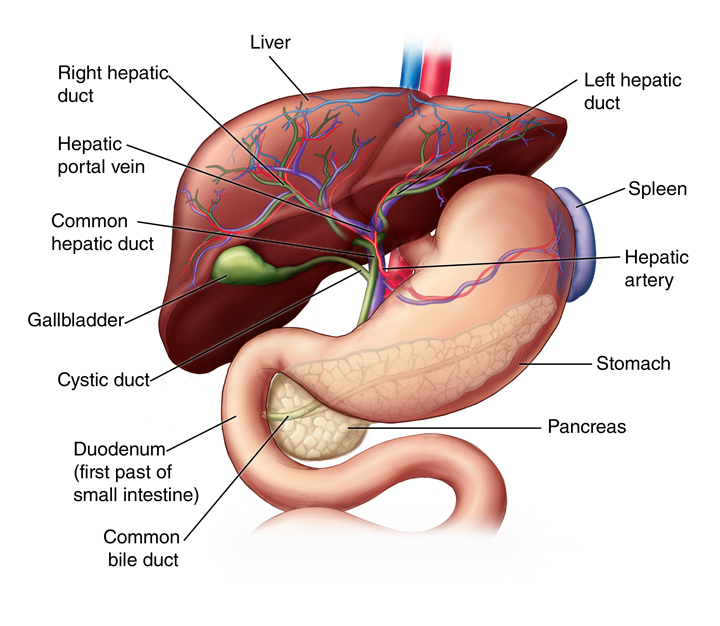
Hepatitis refers to inflammation of the liver, usually caused by viral infections. The liver is a vital organ responsible for:
- Detoxifying harmful substances
- Producing bile for digestion
- Storing energy
- Supporting metabolism
When the liver becomes inflamed, its ability to function properly is affected.
👉 Learn more about liver health on our internal guide: Liver Health & Transplant Care
🦠 Hepatitis A vs B vs C
| Type | Nature | Duration | Severity |
|---|---|---|---|
| Hepatitis A | Acute | Short-term | Mild to Moderate |
| Hepatitis B | Acute or Chronic | Long-term possible | Moderate to Severe |
| Hepatitis C | Mostly Chronic | Long-term | Severe |
🟡 Hepatitis A
📌 What is Hepatitis A?
Hepatitis A is a highly contagious viral infection that affects the liver but usually does not cause long-term damage.
🔍 Causes
- Contaminated food or water
- Poor hygiene
- Close contact with infected person
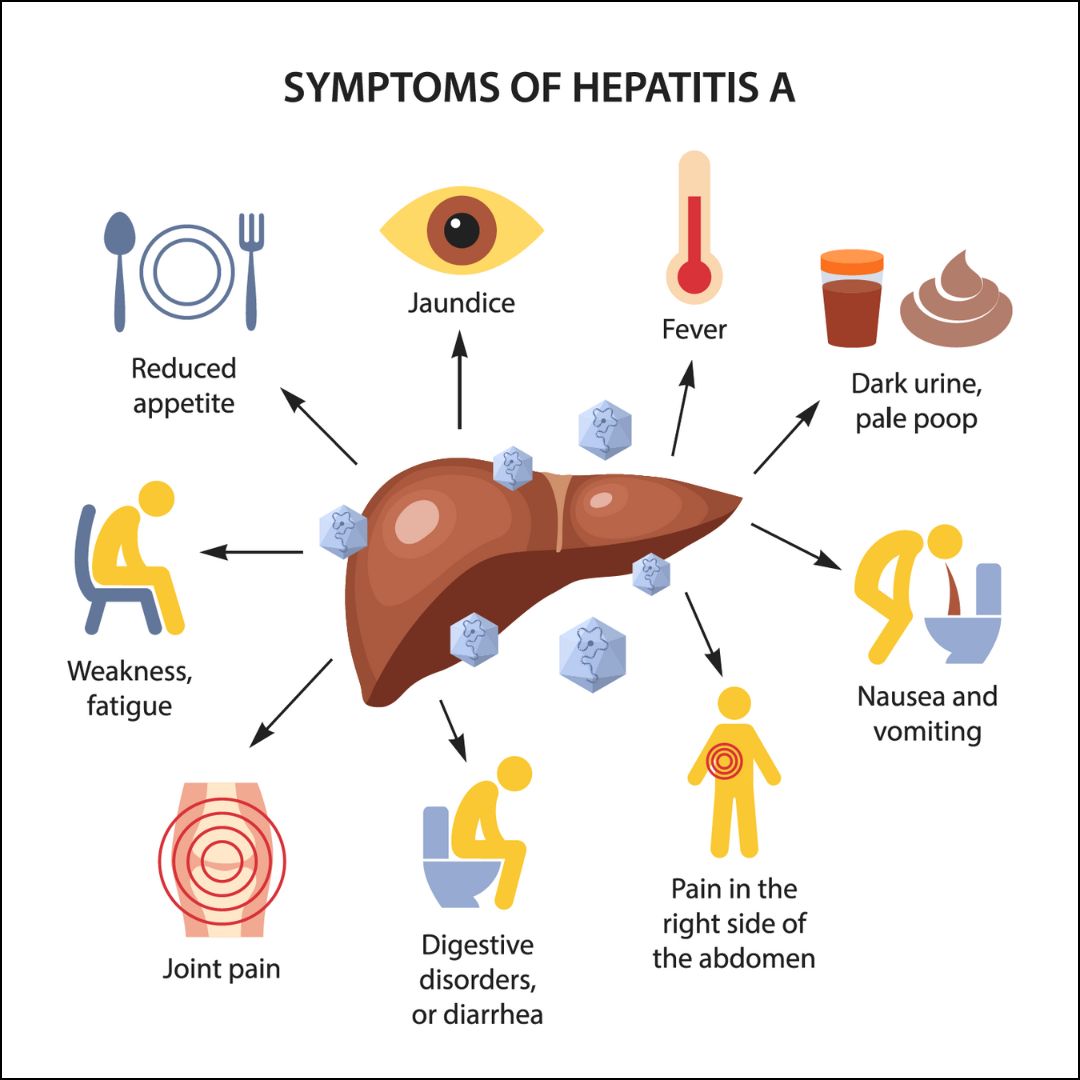
⚠️ Symptoms
- Fatigue
- Nausea and vomiting
- Abdominal pain
- Jaundice (yellowing of skin and eyes)
- Fever
💊 Treatment
There is no specific antiviral treatment. The condition usually resolves on its own with:
- Rest
- Hydration
- Proper nutrition
🛡️ Prevention
- Vaccination
- Safe drinking water
- Hand hygiene
🔴 Hepatitis B
📌 What is Hepatitis B?
Hepatitis B is a serious viral infection that can become chronic and lead to severe liver complications.
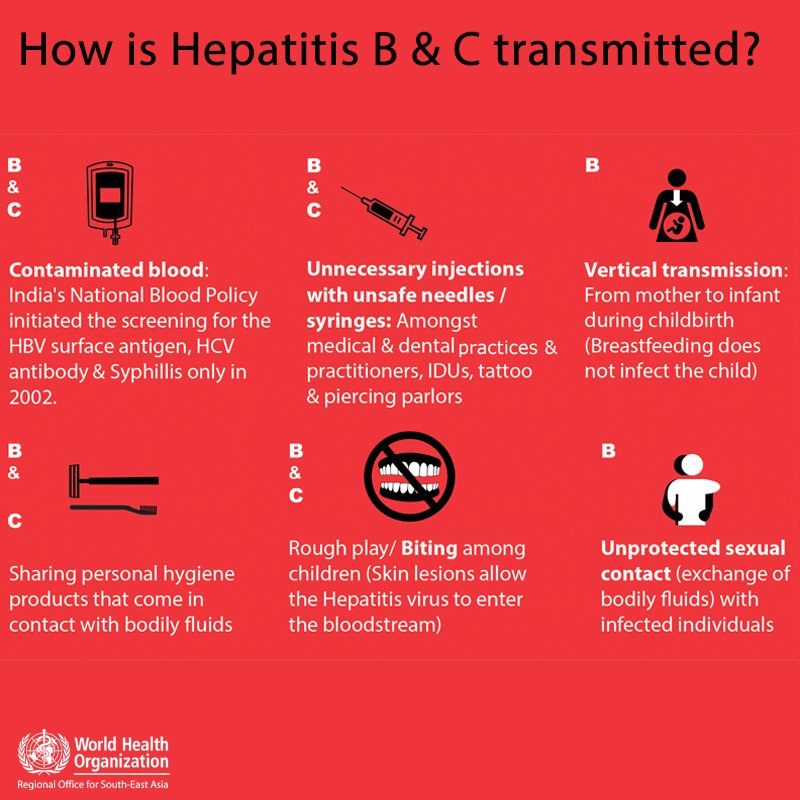
🔍 Causes
- Blood and body fluids
- Unprotected sexual contact
- Mother-to-child transmission
- Contaminated needles
⚠️ Symptoms
- Loss of appetite
- Joint pain
- Dark urine
- Chronic fatigue
- Liver enlargement
💊 Treatment
- Antiviral medications
- Regular monitoring
- In severe cases: liver transplant
Advanced care is often managed by experienced specialists like Dr. Akanand Singh.
🛡️ Prevention
- Hepatitis B vaccination
- Safe medical practices
- Avoid sharing needles
🔵 Hepatitis C
📌 What is Hepatitis C?
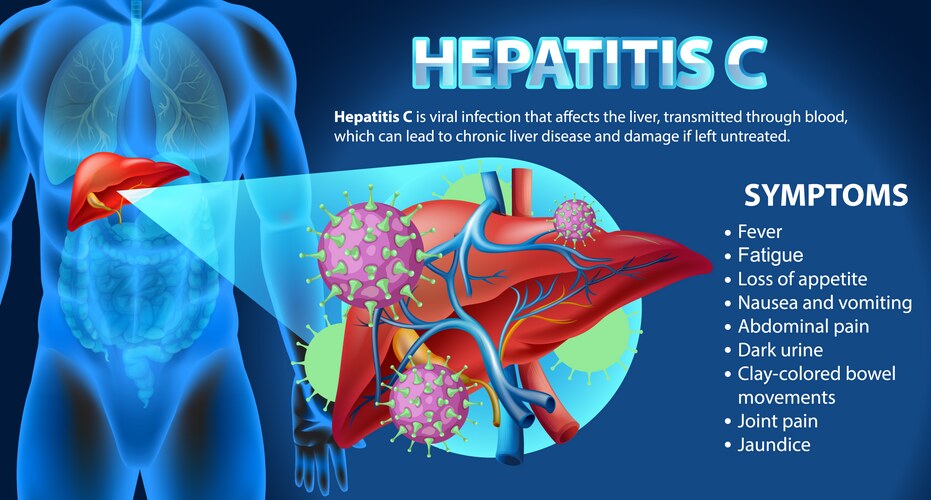
Hepatitis C is one of the most dangerous forms because it often becomes chronic and may remain undetected for years.
🔍 Causes
- Infected blood exposure
- Unsafe injections
- Blood transfusion (rare with modern screening)
⚠️ Symptoms
Often asymptomatic in early stages, but later:
- Liver cirrhosis
- Severe fatigue
- Easy bleeding
- Swelling in legs
💊 Treatment
- Direct-acting antiviral (DAA) medications
- High cure rates if detected early
👉 External reference: World Health Organization (WHO) guidelines on hepatitis treatment
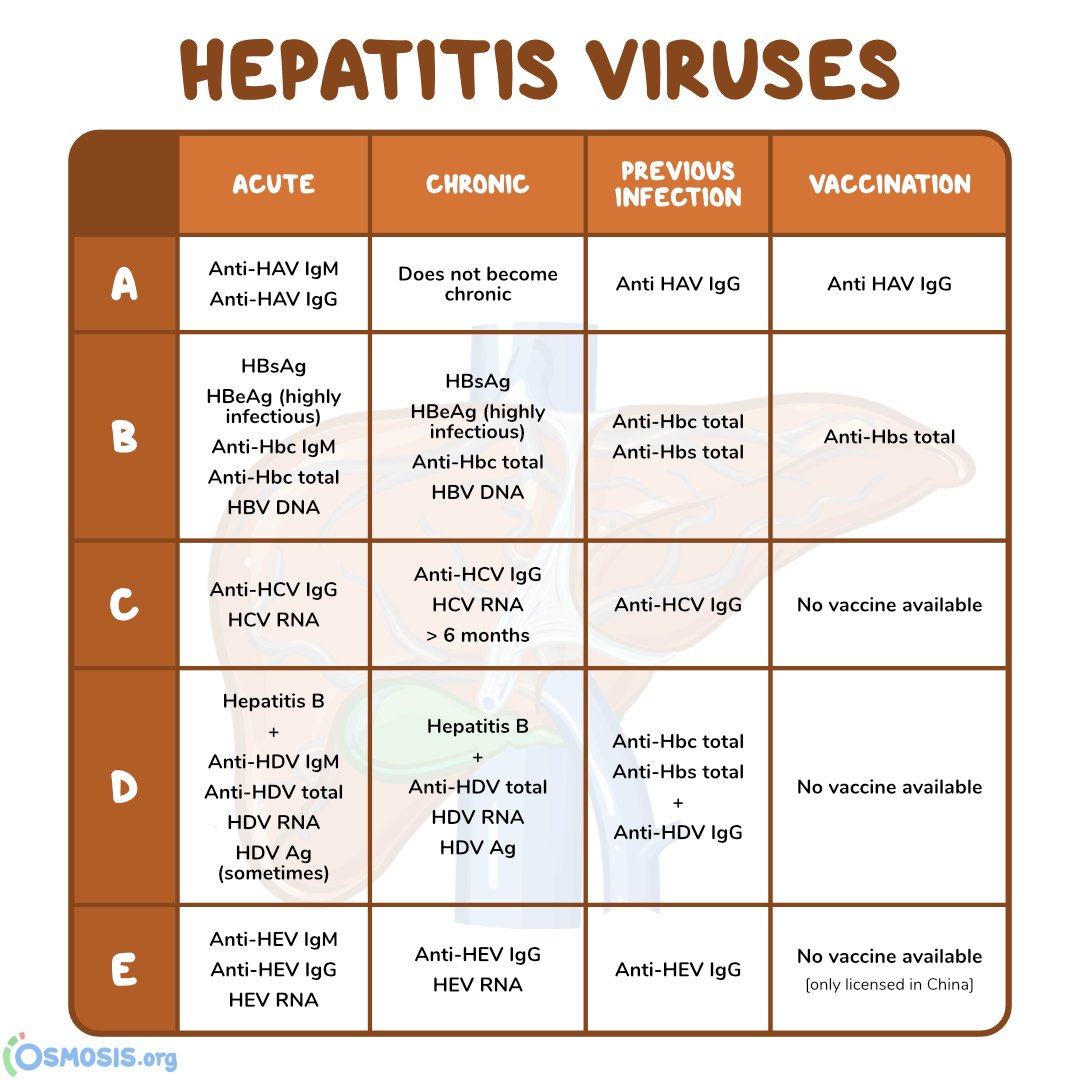
⚖️ Key Differences Between Hepatitis A, B, and C
⚠️ Complications of Untreated Hepatitis
If left untreated, Hepatitis B and C can lead to:
- Liver cirrhosis
- Liver failure
- Liver cancer
- Need for liver transplant
👉 Read also: Living Donor Liver Transplant Guide
🥗 Diet and Lifestyle for Hepatitis Patients

Maintaining liver health is essential, especially for hepatitis patients:
✔ Recommended Foods
- Green vegetables
- Fruits rich in antioxidants
- Whole grains
- Lean protein
❌ Avoid
- Alcohol
- Processed foods
- Excess sugar
- Fatty foods
🏥 When to Consult a Liver Specialist for Hepatitis
Consult a liver specialist if you experience:
- Persistent fatigue
- Yellowing of eyes
- Unexplained weight loss
- Abdominal swelling
Early diagnosis can prevent serious complications.
📍Expert Hepatitis Treatment in Kathmandu
For advanced liver care, consultation, and transplant guidance, you can visit:
Location: NIHS ,Bishwajyoti Mall, Jamal, Kathmandu
Specialized care is available under experienced professionals like Dr. Akanand Singh, who focuses on advanced GI and liver transplant treatments.
✅ Conclusion
Understanding the difference between Hepatitis A, B, and C is crucial for protecting your liver health. While Hepatitis A is usually mild, Hepatitis B and C can become life-threatening if not treated properly.
Early diagnosis, vaccination, and healthy lifestyle choices can significantly reduce risks.
💡 Final Tip
Your liver is a silent worker—take care of it before symptoms appear.