
- Sunday - Friday - 24 Hour
- Saturday - CLOSED
What is Living Donor Liver Transplant
What is Living Donor Liver Transplant
🩺 What is Living Donor Liver Transplant?
A Living Donor Liver Transplant (LDLT) is a life-saving surgical procedure in which a healthy person donates a portion of their liver to someone suffering from severe liver disease or liver failure. Unlike other organs, the liver has a unique ability to regenerate, making it possible for both the donor and the recipient to regain full liver function after surgery.
🔬 Understanding the Science Behind LDLT
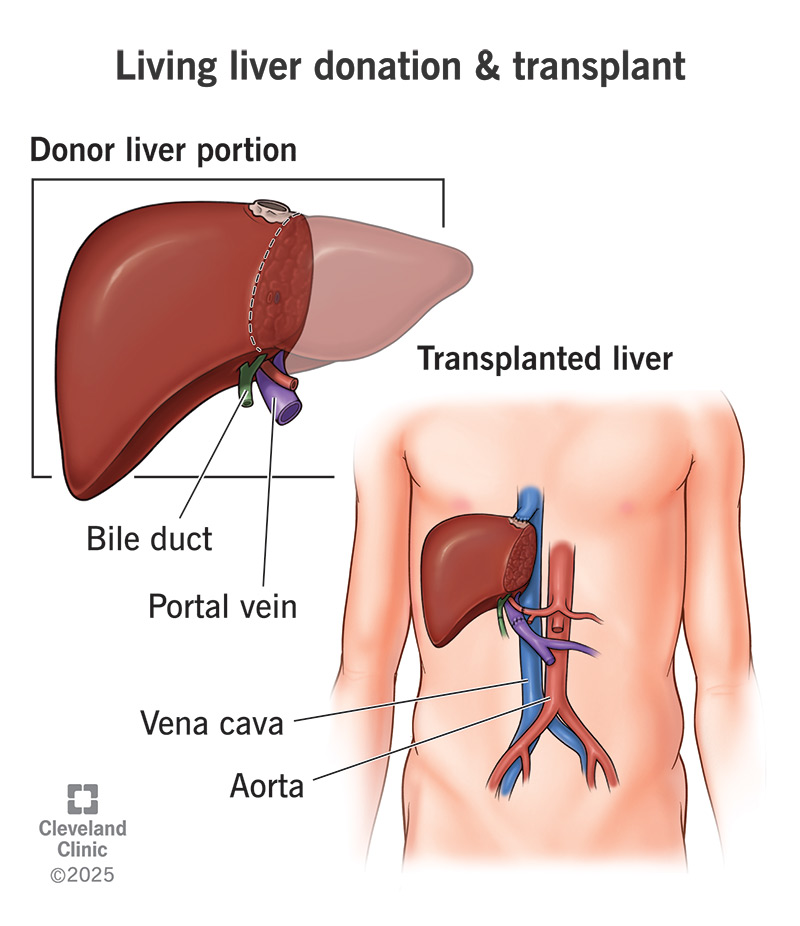

- A portion (usually 40–60%) of the donor’s liver is surgically removed
- This portion is transplanted into the recipient
- Both liver segments grow back to near-normal size within a few months
This regenerative ability is what makes LDLT possible and highly effective.
👨⚕️ Who Needs a Living Donor Liver Transplant?
LDLT is recommended for patients suffering from:
- Cirrhosis (advanced liver scarring)
- Acute Liver Failure
- Hepatitis B and Hepatitis C complications
- Liver Cancer (in early stages)
- Genetic or metabolic liver disorders
It is often chosen when patients cannot wait for a deceased donor due to the severity of their condition.
❤️ Who Can Become a Living Liver Donor?
A living liver donor is usually:
- A close relative (parent, sibling, or spouse), though unrelated donors may also qualify
- Between 18–55 years of age
- In excellent physical and mental health
- Blood group compatible with the recipient
- Free from liver disease, infections, or major medical conditions
Donors undergo strict medical and psychological evaluation to ensure safety.
🏥 Procedure Overview
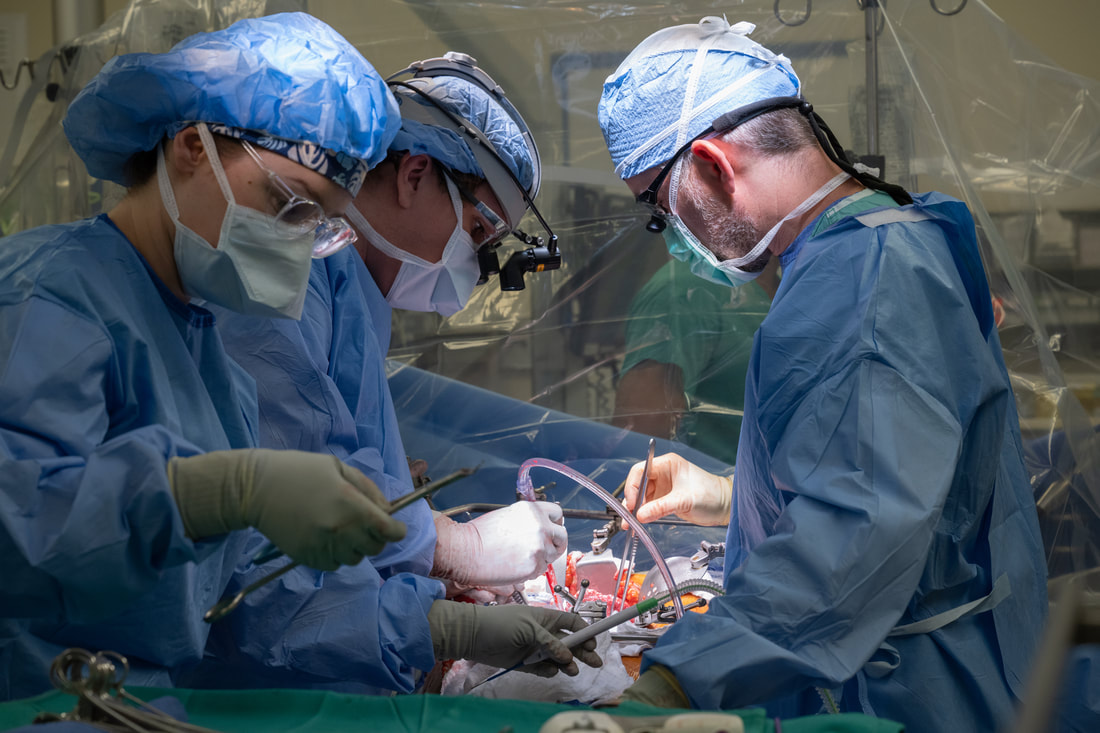

Step-by-Step Process:
- Evaluation & Matching – Donor and recipient are assessed for compatibility
- Surgery –
- Donor surgery: removal of liver segment
- Recipient surgery: implantation of donated liver
- Recovery Phase –
- Donor: 2–4 weeks recovery
- Recipient: longer hospital stay with monitoring
- Regeneration – Liver regrows in both individuals within weeks to months
⚖️ Benefits of Living Donor Liver Transplant
- ✅ Shorter waiting time compared to deceased donor transplant
- ✅ Surgery can be planned in advance
- ✅ Better success rates and outcomes
- ✅ Reduced risk of complications due to timely intervention
⚠️ Risks and Considerations
While LDLT is generally safe, it involves risks:
For Donor:
- Pain and temporary discomfort
- Risk of infection or bleeding
- Rare complications from surgery
For Recipient:
- Organ rejection
- Infection risk
- Need for lifelong immunosuppressive medication
📊 Success Rate and Outcomes
Living donor liver transplants have a high success rate (85–90%) in experienced medical centers. Early diagnosis and timely transplant significantly improve survival and quality of life.
🌱 Life After Liver Transplant
After recovery:
- Patients can return to normal daily activities
- A healthy diet and lifestyle are essential
- Regular follow-ups and medications are required
- Avoid alcohol and liver-damaging substances
FAQs
Q. 1 How does a living donor liver transplant differ from a deceased donor liver transplant?
Ans: A living donor liver transplant involves using a portion of a healthy liver from a living donor, while a deceased donor liver transplant uses a liver from a deceased donor. Living donor transplants offer shorter waiting times and better outcomes due to the immediate availability of a suitable organ.
Q. 2 Who can be a living donor for a liver transplant?
Ans: Living donors for liver transplants are typically close relatives or emotionally connected individuals who voluntarily choose to donate a portion of their liver. They undergo a thorough evaluation to ensure compatibility and good health before the surgery.
Q. 3 How does the liver regenerate after a living donor liver transplant?
Ans: The liver has an incredible regenerative capacity. After a living donor liver transplant, both the remaining liver in the donor and the transplanted liver portion in the recipient regenerate and grow over time. This regrowth allows for the restoration of normal liver function in both individuals.
Q. 4 What are the benefits of a living donor liver transplant?
Ans: Living donor liver transplants offer several advantages, including reduced waiting times for a transplant, better outcomes due to the use of a healthy liver, the ability to plan the surgery, and the potential for a faster recovery compared to deceased donor transplants. Additionally, the selfless act of a living donor can save a life and strengthen the emotional bonds between donor and recipient.
🧠 Conclusion
A Living Donor Liver Transplant is a remarkable medical advancement that offers a second chance at life for patients with end-stage liver disease. Thanks to the liver’s regenerative power, both donor and recipient can recover successfully. With expert care, proper evaluation, and post-operative management, LDLT remains one of the most effective treatments in modern hepatology.
Are you familiar with the remarkable medical procedure known as a living donor liver transplant? This groundbreaking technique has revolutionized the field of organ transplantation, offering hope and a new lease on life to patients in dire need of a healthy liver.
In this blog, we will delve into the intricacies of a living donor liver transplant (LDLT), exploring the procedure, its benefits, and its remarkable impact on the lives of both donors and recipients. Whether you’re seeking information on donor liver options or are curious about LDLT surgery, this comprehensive guide will shed light on this life-changing medical intervention. Let’s embark on this informative journey and unravel the world of living donor liver transplants.