
- Sunday - Friday - 24 Hour
- Saturday - CLOSED
Living Donor Liver Transplant: Process, Safety, and Recovery
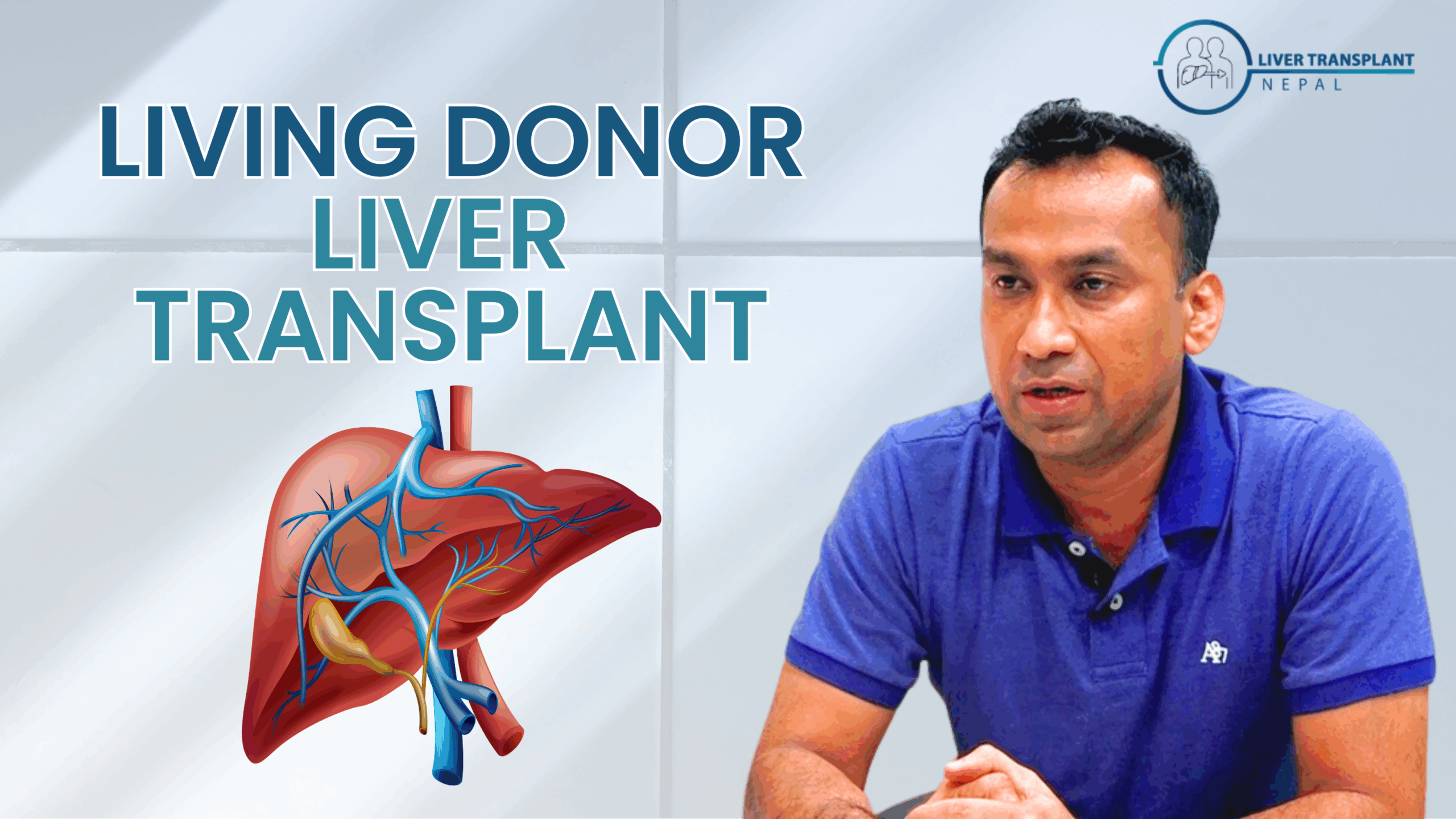
Living Donor Liver Transplant: Process, Safety, and Recovery
 A living donor liver transplant offers new hope to patients suffering from severe liver failure. Instead of waiting for a deceased donor, a healthy person donates a part of their liver, allowing timely and often life-saving surgery. At Liver Transplant Nepal, our goal is to help patients and families understand how this process works, its safety, and what to expect during recovery.
What Is a Living Donor Liver Transplant?
In a living donor liver transplant, a healthy individual — usually a close relative or friend — donates a portion of their liver to the patient. The donated part regenerates within a few weeks, and both the donor and recipient can eventually have fully functioning livers.
This option greatly reduces waiting time and increases survival chances, especially in countries like Nepal, where deceased donor organs are limited.
Who Can Be a Liver Donor?
A potential donor must undergo several medical and psychological evaluations to ensure safety for both donor and recipient. Generally, a donor should be:
- Between 18 and 55 years old
- In good physical and mental health
- Free from major illnesses like diabetes, cancer, or liver disease
- A compatible blood type with the recipient is recommended. Although liver transplantation can be done with an incompatible blood type, it is more expensive and has less favorable outcomes.
- Family members are often preferred donors due to biological compatibility and emotional readiness.
Step-by-Step Process of Liver Transplant Surgery in Nepal
1. Evaluation and Matching
Both donor and recipient undergo blood tests, imaging scans, and psychological assessment, cardiology opinion and gynecological evaluation for females.
2. Surgical Planning
Surgeons determine how much of the donor’s liver will be used (usually 60%).
3. Surgery
The procedure is performed simultaneously on both donor and recipient in adjoining operating rooms.
4. Postoperative Care
Donor and recipient are monitored in the ICU before moving to general recovery wards.
5. Follow-up
Both are regularly reviewed to ensure liver regeneration and proper healing.
Is Living Donor Liver Transplant Safe?
Yes — with modern surgical techniques and experienced teams, living donor liver transplant is considered safe.
Donors:
-
The risk of major complications is less than 1–2%
-
Most donors can return to normal activity within 4 to 6 weeks.
Recipients:
-
Success rates are around 90%, depending on their health condition before surgery.
-
Early detection and management of any post-surgery issues ensure long-term survival.
For additional safety information, you can visit the
👉 World Health Organization – Transplantation Overview
👉 Liver Foundation – Living Donor Liver Transplant
Recovery After Liver Transplant Surgery
Recovery varies per individual but generally includes:
-
Donor recovery: Most donors stay in hospital for about a week and can resume daily work in 1–2 months.
-
Recipient recovery: Recipients may stay 2–3 weeks in the hospital and require long-term medications to prevent rejection.
-
Diet and lifestyle: A healthy diet, regular checkups, and avoiding alcohol are key for lasting liver health.
Why Choose Liver Transplant Nepal
At Liver Transplant Nepal, our multidisciplinary team ensures safe and ethical transplant care following international standards. We focus on:
-
Comprehensive donor and recipient evaluation
-
Expert surgical care
-
Post-transplant follow-up and counseling
-
Transparent information and support for families
🔗 Links:
-
Learn more about our Liver Transplant Services
-
Read about Life After Liver Transplant
-
Contact our team for consultation
Conclusion
A living donor liver transplant can be a life-saving procedure for patients with liver failure and liver cancer. With expert evaluation, skilled surgical care, and dedicated follow-up, both donor and recipient can lead healthy lives.
If you or your loved one are considering a transplant, Liver Transplant Nepal is here to guide you through every step — safely and confidently.
For any inquiries or appointments, feel free to reach us at +977 9818300888 — available via call, message, or WhatsApp.